
A Guide to Dubrovnik’s Storied Past and Present
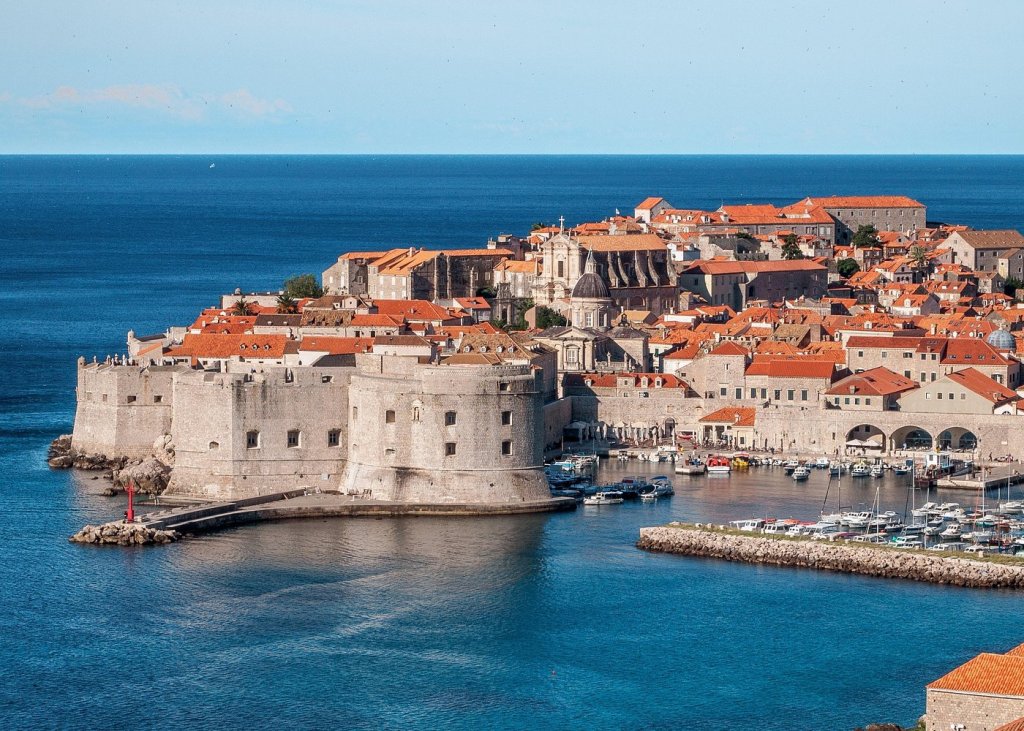
There’s something magical about seeing Dubrovnik emerge on the horizon from the deck of a sailboat. Your vessel glides through the crystalline waters of the Adriatic. The imposing medieval walls, red-roofed buildings, and the glint of limestone streets instantly transport you to another era. Known as the “Pearl of the Adriatic,” Dubrovnik is more than just a picturesque harbor. It’s a city with a soul shaped by centuries of maritime heritage. It reflects fierce independence and cultural brilliance.
Ancient Origins and a Proud Legacy
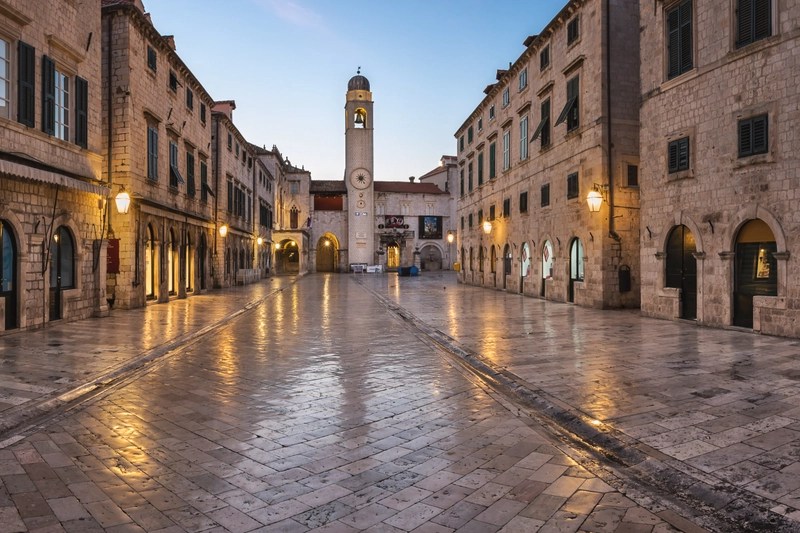
Dubrovnik’s origins trace back to the 7th century. Refugees from the Roman city of Epidaurum (modern-day Cavtat) sought shelter on a rocky island called Laus. Across the narrow channel, Slavic settlers founded a community called Dubrava. Over time, these two settlements merged, and the channel was filled in—what is now the city’s main street, Stradun
By the Middle Ages, Dubrovnik (then known as Ragusa) had become a powerful maritime republic. It rivaled Venice in wealth and influence. It was a beacon of diplomacy, trade, and seafaring skill. The republic operated with remarkable autonomy. This occurred even under the nominal rule of various empires. The Republic of Ragusa prided itself on enlightened governance. It banned slavery in the early 15th century. The republic also established one of the first quarantine systems in Europe.

Rivalry on the Adriatic: Dubrovnik vs. Venice
While Venice dominated much of the Adriatic with brute force, Dubrovnik chose the pen over the sword. The city’s shrewd diplomacy allowed it to remain independent for centuries, often playing larger powers against each other. The rivalry with Venice was intense—commercial, cultural, and political. Venice built an empire through conquest. In contrast, Dubrovnik focused on trade networks stretching from the East to Western Europe. This focus earned it respect and wealth.
A Melting Pot of Languages and Ideas
Today, Croatian is the official language, but Dubrovnik’s history is linguistically rich. Latin was once the language of administration. Italian was widely spoken during Venetian influence. Ragusan—a now-extinct Romance dialect—was once common among the elite. Thanks to its mercantile legacy, the city has always been a multilingual crossroads.
A Cradle of Art, Science, and Humanism
During the Renaissance, Dubrovnik blossomed as a cultural and scientific hub. Poets like Ivan Gundulić called Dubrovnik home. Scholars such as Marin Držić also came from this city. Mathematicians like Ruđer Bošković, a physicist and astronomer who laid the groundwork for atomic theory, were among its residents. The city embraced humanism and intellectual freedom long before it was fashionable elsewhere.
Monuments that Whisper the Past
Wandering through Dubrovnik’s Old Town, a UNESCO World Heritage site, is like strolling through an open-air museum. Don’t miss:
- The City Walls: Encircling the Old Town, these 2 km-long walls offer stunning sea views. They are among the best-preserved in Europe.
- Rector’s Palace: A harmonious blend of Gothic, Renaissance, and Baroque architecture, once the seat of the Republic’s rector.
- Sponza Palace: Once a customs house and mint, now home to the city’s archives—a treasure trove of historical documents.
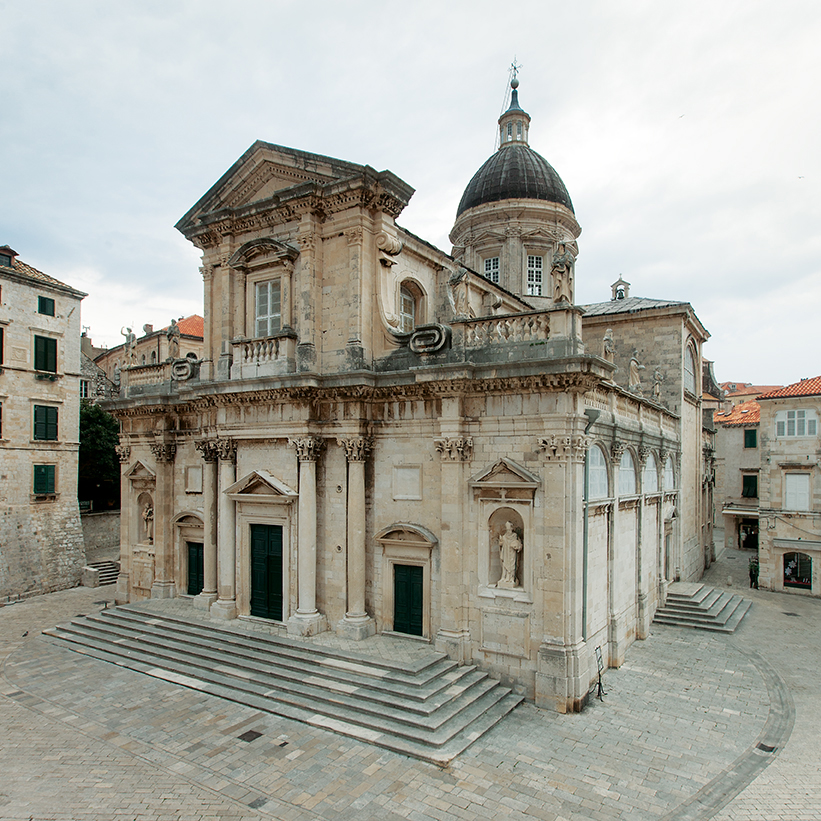
- Dubrovnik Cathedral: Legend holds that it was partially funded by Richard the Lionheart after surviving a shipwreck near Lokrum.
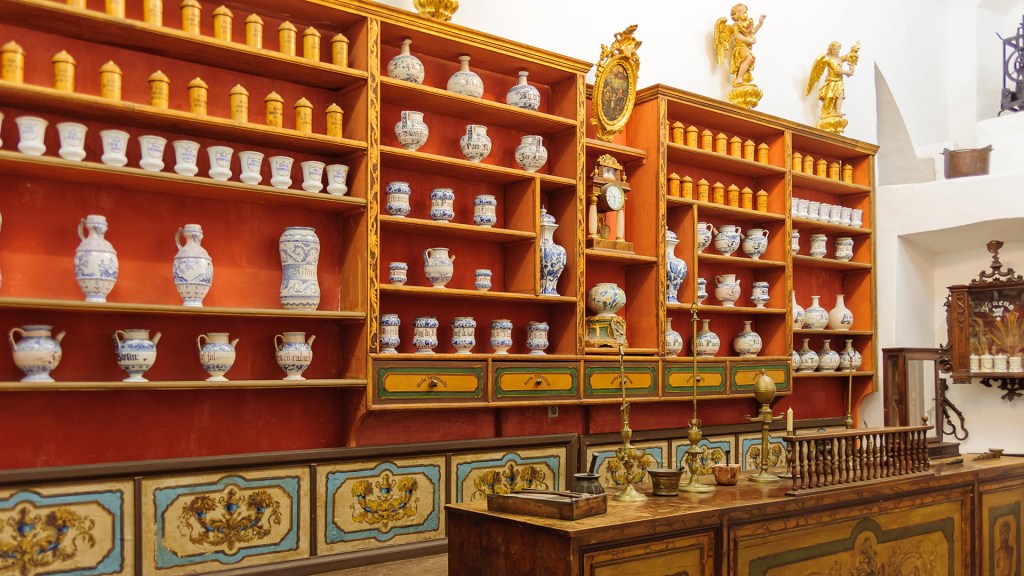
- Franciscan Monastery: Features one of the oldest functioning pharmacies in the world, operating since 1317.
Sailor’s Tips: What to Do When You Dock
- Anchor near Lokrum Island: Just a short sail from the harbor, it’s perfect for a quiet afternoon swim. You can also enjoy a stroll through botanical gardens and monastery ruins.
- Time your visit: Avoid high summer crowds by sailing in during late spring or early autumn. The sea is warm, and the streets are quieter.
- Walk the walls early: Beat the heat and the tourists. Walk the walls at opening time for the best photo ops and serenity.
- Try local cuisine: Savor black risotto (cuttlefish ink), fresh buzara-style mussels, and a glass of Malvasija—Dubrovnik’s own white wine.
- Take a day trip to Cavtat or Elafiti Islands. You can easily reach these spots by sail. They offer less bustle and stunning coastal views.
Whether you arrive with the sun at your back or under a star-studded sky, Dubrovnik will capture your imagination. The city’s history was shaped by its independence and ingenuity. It stands as a testament to the power of resilience, beauty, and the sea. For those who love sailing and stories—this is a port that delivers both in full.
Haiku of the day
Sun-kissed sails unfurl
Ancient walls greet sea’s embrace
Dubrovnik whispers
 S/YJane & Darcy
Leave a comment